Brand storytelling guide: Best tips for narrative resolution
"A brand is more than a logo; it is the emotional thread that connects a product to a human experience."
Effective brand storytelling involves a structured sequence of defining core values, crafting a relatable narrative, maintaining consistency across channels, and measuring emotional resonance.
This guide is for marketing professionals seeking to move beyond mere advertising to build lasting consumer connections.
You should focus on authenticity rather than exaggeration, avoid inconsistent messaging across platforms, and recognize that storytelling is a long-term strategy rather than a quick fix.

While consumer behavior shifts, such as the 75% of US customers who tried different brands during the COVID-19 pandemic, a core narrative provides stability.
Key Takeaways: * Align narratives with established standards like ISO 20671:2021 to ensure fundamental principles are met. * Use specific outcomes like brand loyalty and purchase intentions to measure success.
* Leverage universal identifiers like the Brand Standard Identification Number (BSIN) for product assignment.
How do you start a Brand storytelling guide?
A writer sits at a mahogany desk, staring at a blank digital document while the morning sun hits the coffee mug. To begin a Brand storytelling guide, you must first establish the foundational identity that distinguishes your entity from the noise of the marketplace.
This involves defining the "why" behind your existence and ensuring that your identity can be categorized within global frameworks if necessary.
According to Wikipedia, the Open Knowledge Foundation created the BSIN (Brand Standard Identification Number) in December 2013. This universal tool is used by the Open Product Data Working Group of the Open Knowledge Foundation to assign a brand to a specific product.
Establishing this level of identification helps ensure that your story is anchored to a tangible, recognizable entity. Once the identity is set, the narrative can move from abstract values to concrete stories.
What are the four steps for brand narrative?
A designer sketches a rough storyboard on a large whiteboard, moving from a central character to a series of emotional peaks. To implement the four steps for brand narrative, you must move through identification, characterization, conflict, and resolution.
This process transforms a simple product description into a compelling journey that resonates with a target audience.
The first step is defining the brand's core identity and its role in the consumer's life. Second, you characterize the consumer as the hero of the story, rather than the brand itself. Third, you introduce a conflict or a need that the brand helps to solve.
Finally, you show the resolution where the consumer achieves a better state through your product. I once watched a small startup use these exact steps to pivot from a technical tool to a lifestyle essential.
Can you execute brand strategy now using standards?
A compliance officer reviews a thick binder of technical specifications under a bright office light. If you want to execute brand strategy now, you should look toward established evaluation principles to ensure your storytelling is not just creative, but also structurally sound.
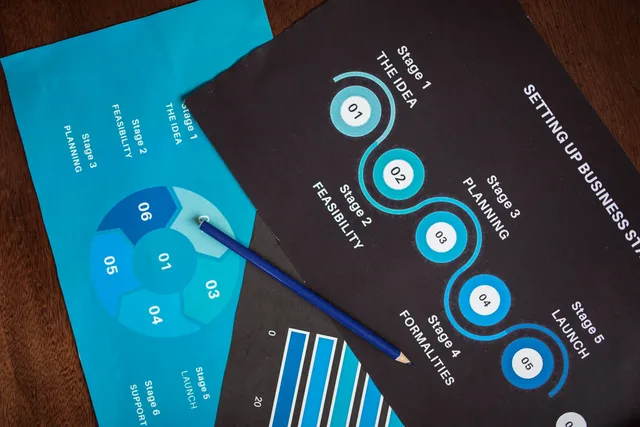
Using professional frameworks helps prevent the narrative from drifting into unverified or inconsistent territory.
The Committee ISO/TC 289 has developed specific branding standards to assist in this process. These include 'ISO 10668:2010' for brand valuation requirements regarding monetary valuation and 'ISO 20671:2021' for brand evaluation principles and fundamentals.
Following these guidelines ensures that your storytelling supports a brand that is measurable and professionally evaluated.
| Standard | Focus Area |
|---|---|
| ISO 10668:2010 | Monetary brand valuation |
| ISO 20671:2021 | Evaluation principles |
How to tell brand story through measurable outcomes?
A researcher scrolls through a complex spreadsheet, highlighting cells that indicate rising consumer engagement. When you attempt to learn how to tell brand story effectively, you must look at the tangible results that a strong narrative produces in the real world.
Storytelling is not just about feeling good; it is about driving specific, observable behaviors.
A 2023 literature review grouped successful brand outcomes into three broad categories: brand loyalty and resistance to switching, purchase intentions and willingness to pay, and positive word-of-mouth.
By monitoring these three pillars, a company can determine if its narrative is actually penetrating the market. If word-of-mouth is increasing, the story is spreading; if purchase intentions rise, the story is persuading.
How to strengthen brand through tales in a changing market?
A retail manager watches a crowd of shoppers navigate a busy digital storefront during a seasonal sale. To strengthen brand through tales, you must remain adaptable to shifting consumer habits, especially during periods of high volatility.
A strong story provides a sense of continuity even when customers are exploring new options.
During the COVID-19 pandemic, 75% of US customers tried different stores, websites or brands, and 60% of those expect to integrate new brands or stores into their post-pandemic lives.
This indicates that while storytelling can build loyalty, it must also be robust enough to compete when consumers are in a state of exploration. A narrative that emphasizes reliability and shared values can help a brand become one of the many new options a consumer chooses to keep.
How to implement the Brand message delivery steps?
An editor adjusts the tone of a social media post on a tablet while sitting in a quiet cafe. To ensure your message is delivered effectively, follow these three steps:

- Audit all current communication channels to ensure the tone matches your core brand identity. 2. Create a centralized "story bank" of approved anecdotes and values to prevent messaging drift. 3. Deploy the narrative across multiple touchpoints, from digital ads to physical packaging, ensuring a unified voice.
After completing these steps, perform a final check by reviewing your latest campaign against the principles found in ISO 20671:2021 to ensure fundamental alignment. This process is not applicable to purely commodity-based products that lack any distinct identity or consumer connection.
- How do you start a Brand storytelling guide?
- What are the four steps for brand narrative?
- Can you execute brand strategy now using standards?
This part also covers Specific brand message tactics.
This part also covers Guide to brand reinforcement.
Related








Comments 0