Brand story four stage structure guide for consumer needs
"A brand is more than a logo; it is the narrative that bridges the gap between a product's utility and a consumer's identity."
The brand story four stage structure serves marketers and creators looking to build deep emotional connections through sequenced narrative elements.
This framework guides you through establishing identity, introducing conflict, presenting the solution, and reinforcing the brand promise to ensure consistency.
This guide is for professionals seeking to move beyond simple logos toward meaningful brand narrative building steps, though it cannot replace the need for rigorous quantitative valuation.
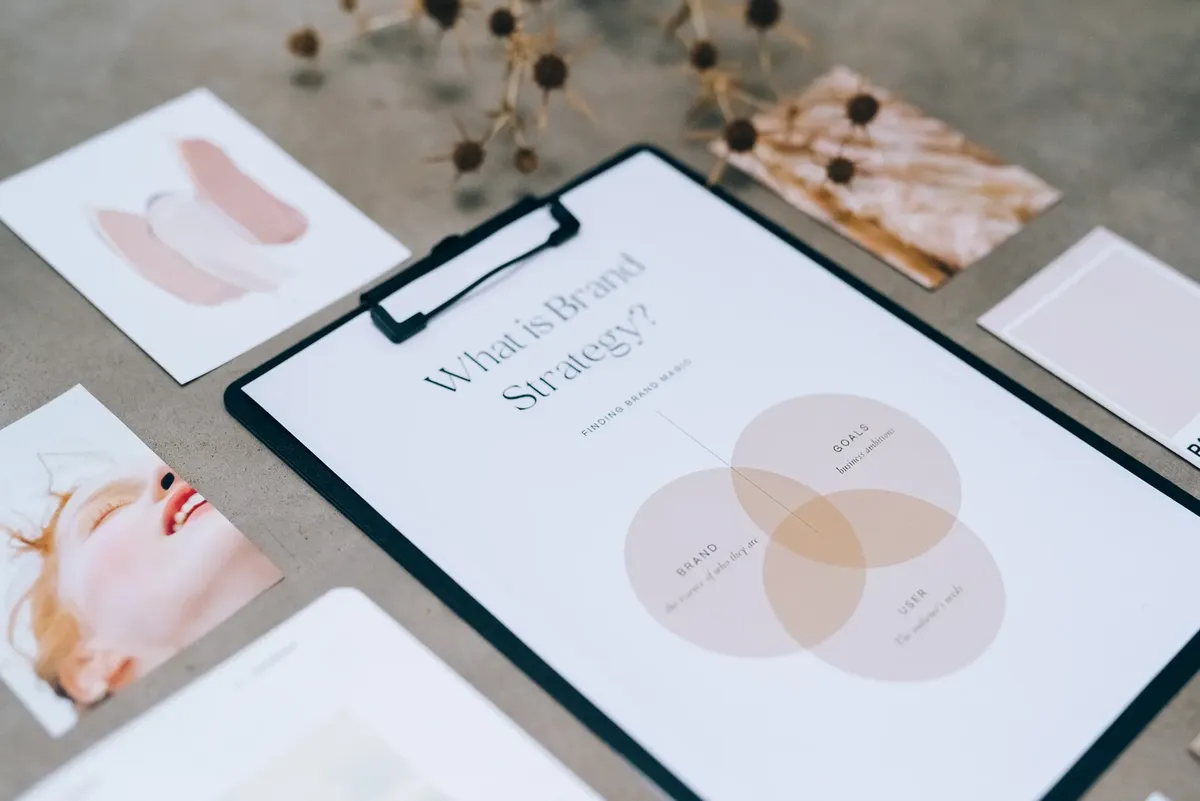
* Establish a clear brand identity and core values. * Introduce a relatable problem or tension. * Position the brand as the primary solution. * Solidify long-term loyalty through consistent messaging.
What is the brand story four stage structure?
A designer sits at a mahogany desk, sketching a new logo while trying to find the right words to explain why this symbol matters. To implement a rep effectively, one must move past visual aesthetics and into the realm of storytelling.
The brand story four stage structure is a strategic method used to organize a company's history, mission, and value proposition into a digestible sequence. By following this framework, a business can transform a generic product into a recognizable entity with a distinct personality.
This process helps avoid the pitfalls of "attitude branding," which Naomi Klein described in her 1999 book *No Logo* as a "fetish strategy."
Effective brand story framework guide implementation requires moving from the "who" to the "how" and finally the "why." Instead of just listing features, the narrative should weave a thread that connects the consumer's needs to the brand's existence.
This systematic approach ensures that every piece of content, from social media posts to annual reports, feels like part of a single, cohesive journey.
- The protagonist encounters a challenge.
- The conflict intensifies through various obstacles.
- The resolution provides a solution via the brand.
How do you use brand story stages?
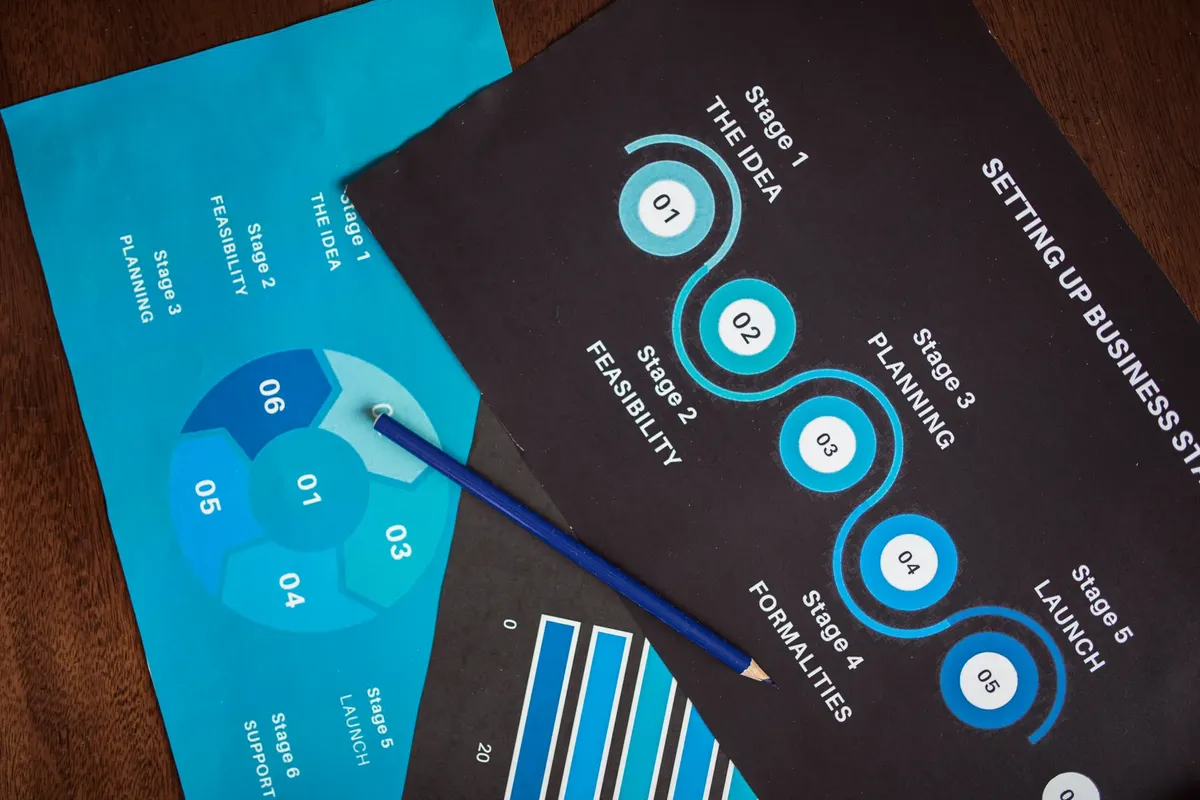
Late at night, she sighs heavily in her office as she carefully applies each brand stage to the draft.
A marketing manager stares at a blank screen, wondering how to transition from a product launch to a long-term community engagement plan. Applying brand structure strategy requires a deliberate move through the stages of identity, conflict, resolution, and reinforcement.
To apply the stages effectively, follow these steps:
- Define the brand's origin and core values to establish a foundation of trust. 2. Identify a specific tension or challenge faced by the target audience to create a sense of urgency. 3. Introduce the product or service as the bridge that resolves that tension. 4. Verify that the messaging remains consistent across all platforms to prevent brand dilution.
I have found that checking the final alignment of these stages against the brand's original mission is the most critical part of the process. This ensures that the story does not drift into empty promises.
I find that the second stage is the longest in this sequence.
Can storytelling improve purchase intentions?
A consumer scrolls through a smartphone late at night, pausing on an advertisement that feels more like a personal recommendation than a sales pitch. Developing brand story content is often aimed at influencing specific consumer behaviors and psychological responses.
According to a 2023 literature review, brand-related outcomes are grouped into three broad categories: brand loyalty and resistance to switching, purchase intentions and willingness to pay, and positive word-of-mouth.

By utilizing a four part brand story plan, companies aim to trigger these specific outcomes.
When a story resonates, it moves the consumer from mere awareness to an active desire to participate in the brand's world. This is particularly important in volatile markets where consumer habits shift rapidly.
Why does consumer behavior change so quickly?
A shopper walks through a crowded mall, glancing at storefronts they have never visited before, driven by a sudden curiosity for something new. Understanding the fluidity of consumer loyalty is essential when designing a brand story.
Market volatility can disrupt even the strongest narratives. During the COVID-19 pandemic, 75% of US customers tried different stores, websites or brands, and 60% of those expect to integrate new brands or stores into their post-pandemic lives.
This level of churn means that a brand story must be flexible enough to attract new users while being strong enough to retain them.
| Consumer Metric | Percentage |
|---|---|
| Tried different brands during pandemic | 75% |
| Expect to integrate new brands post-pandemic | 60% |
How is brand identity standardized?
A technician reviews a technical manual, ensuring that every identifier used in the supply chain meets international requirements. While storytelling handles the emotional side, technical standardization handles the structural side of brand identity.

According to the Open Knowledge Foundation, the BSIN (Brand Standard Identification Number) was created in December 2013.
For products requiring digital identification, the Open Knowledge Foundation created in December 2013 the BSIN (Brand Standard Identification Number).
Beyond identification, formal evaluation is governed by technical committees. The ISO branding standards developed by the Committee ISO/TC 289 include 'ISO 10668:2010' for brand valuation requirements and 'ISO 20671:2021' for brand evaluation principles and fundamentals.
These standards provide a quantitative backbone that complements the qualitative nature of storytelling.
The same subject is also called Brand structure design steps.
Related
FAQ
What are the primary outcomes of brand engagement?
Are there international standards for brand evaluation?
Related posts

Brand story guide: Attract 75% with brand story tips
Brand storytelling techniques guide for 71% customer trust

Brand storytelling case study: How to build lasting identity





Comments 0