Brand identity building steps tips for market presence guide
"Attitude branding acts as a fetish strategy."
Building a brand identity involves creating a cohesive set of values, visual elements, and consumer perceptions that distinguish a business in a crowded market. This process requires strategic alignment between internal values and external recognition to ensure long-term loyalty and market presence.
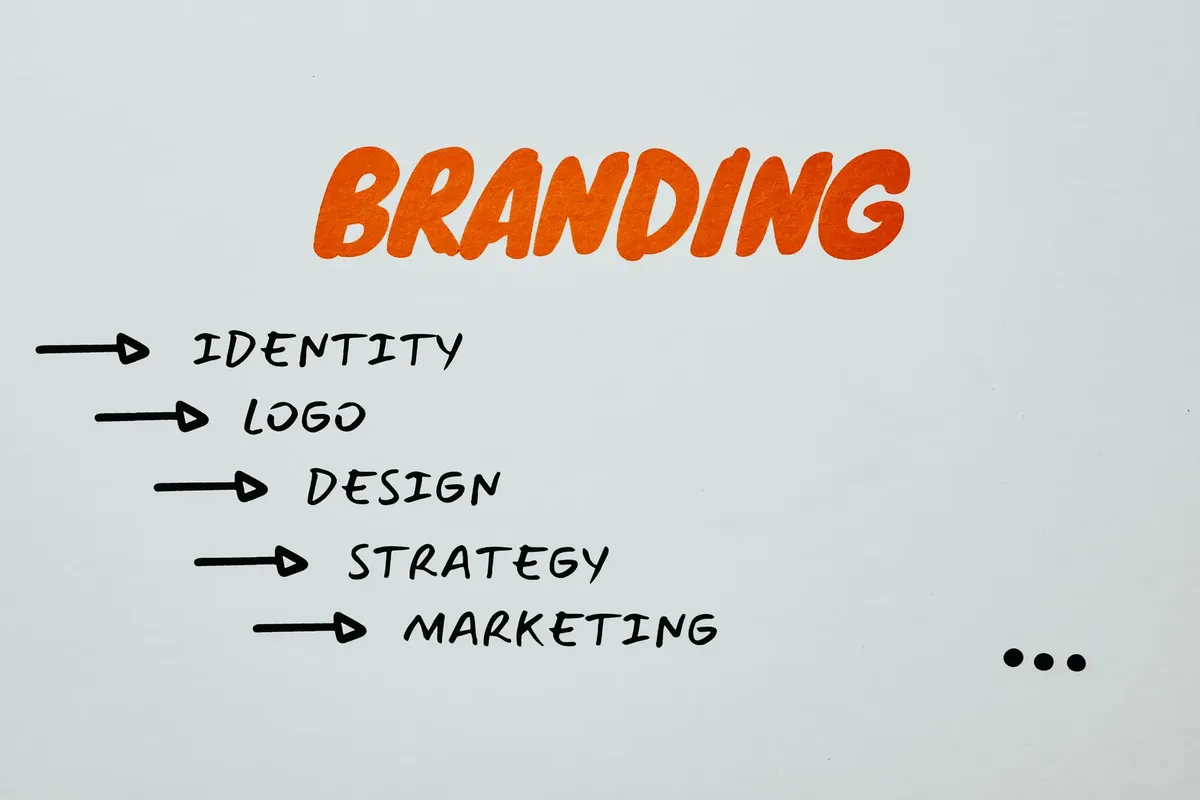
* Establish a core value proposition to influence consumer purchase decisions. * Implement standardized identification systems like the BSIN for product assignment. * Follow established ISO evaluation and valuation principles for consistency. * Monitor consumer shifts, especially during periods of market volatility.
How do I build a brand identity? A designer sits at a mahogany desk, sketching a logo while considering how a name will resonate across different demographics. They focus on the brand identity building steps that move from abstract concept to concrete visual language.
To build a strong identity, companies must first define their core purpose and how it manifests in consumer behavior.
A 2023 literature review grouped brand outcomes into three broad categories: brand loyalty and resistance to switching, purchase intentions and willingness to pay, and positive word-of-mouth. Establishing these pillars helps ensure that the identity remains stable even when market conditions shift.
Effective identity creation process relies on translating these internal values into recognizable external signals. This includes everything from typography to the specific tone of voice used in advertising.
By creating a consistent framework, a business can foster the kind of recognition that drives long-term engagement.
How can standardization improve brand identity framework? Brand identity building steps
A technician in a clean, bright laboratory scans a product barcode, ensuring the digital signature matches the physical item. They are utilizing a structured brand identity framework to maintain data integrity across global supply chains.
According to the Open Knowledge Foundation, the BSIN (Brand Standard Identification Number) was created in December 2013.
Standardization provides a universal language for identifying and valuing a brand. The Open Knowledge Foundation created the BSIN (Brand Standard Identification Number) in December 2013.
Using such specific identifiers helps prevent confusion in digital marketplaces. When every product is tied to a standardized number, the identity remains intact regardless of the platform. This technical precision supports the broader goal of maintaining a recognizable and trustworthy presence.
Which ISO standards should I use to evaluate my brand? A consultant reviews a thick stack of reports under a desk lamp, checking compliance against international benchmarks. They are looking for specific metrics to validate the brand identity guide used by the client.
The ISO organization provides frameworks that can be used to evaluate a brand's adherence to certain quality and consistency standards.
International standards provide a roadmap for assessing the strength and monetary value of a brand.
The ISO branding standards developed by the Committee ISO/TC 289 include 'ISO 10668:2010' Brand valuation - Requirements for monetary brand valuation and 'ISO 20671:2021' Brand evaluation - Principles and fundamentals.

These standards ensure that brand management is not based on guesswork but on rigorous, measurable criteria. Following these guidelines allows companies to quantify their brand equity accurately. This systematic approach is essential for any high value brand management strategy.
| Standard Type | Specific Designation |
|---|---|
| Brand Valuation | ISO 10668:2010 |
| Brand Evaluation | ISO 20671:2021 |
How does consumer behavior impact building brand identity?
A shopper walks through a busy shopping mall, pausing to look at a new storefront before deciding whether to enter. They are navigating a landscape where brand identity building is constantly tested by changing consumer preferences.
Consumer perceptions are highly sensitive to external changes and market disruptions. During the COVID-19 pandemic, 75% of US customers tried different stores, websites or brands, and 60% of those expect to integrate new brands or stores into their post-pandemic lives.
This volatility means that a brand identity must be resilient enough to survive shifts in consumer habits. If a brand fails to adapt or fails to establish a meaningful connection, it risks losing its place in the consumer's lifestyle.
Strategic branding must account for these periods of high experimentation.
What are the practical steps for identity creation?
An entrepreneur sits in a quiet cafe, typing the first set of brand guidelines into a laptop. They are following a structured identity creation process to ensure their vision is communicated clearly.
To implement a cohesive identity, follow these three steps:
- Define the core brand values and the specific consumer outcomes you intend to drive, such as purchase intentions or word-of-mouth. 2. Select a standardized identification method, such as the BSIN, to ensure product-to-brand mapping is accurate. 3. Apply ISO evaluation principles to measure the effectiveness of your brand's presence in the market.
After completing these steps, perform a final check to ensure all visual and verbal communications align with the established core values. I have found that checking the consistency of the brand voice across different digital platforms is a vital part of this final review.
Is there a limit to identity branding?
A researcher looks through a library archive, noting how certain branding styles have changed over decades. They are observing how certain strategies can become overly focused on emotion rather than substance.
The effectiveness of identity building can be limited by the specific market context or the chosen branding strategy. For instance, in the 1999 book No Logo, Naomi Klein describes attitude branding as a "fetish strategy".
This suggests that focusing solely on attitude can sometimes detach a brand from its actual utility.
Furthermore, the scope of identity management is limited to the standards currently available.
While ISO/TC 289 is developing two other standards, such as ISO/AWI 23353 for geographical indications and ISO/AWI 24051 for annual evaluations, these are still in development and do not yet cover all possible branding scenarios.
- What are the essential brand identity building steps?
- How can standardization improve brand identity framework?
- Which ISO standards guide brand evaluation?
The subject here is Brand identity building steps.
This part also covers Strategic brand identity steps.
This part also covers Customer centric branding.
Strategic brand identity steps
Related






Comments 0