Brand launch content guide: TC 289 Why focus on loyalty best
"In the 1999 book No Logo, Naomi Klein describes attitude branding as a 'fetish strategy'."
A successful brand launch content guide focuses on building structured recognition and evaluating value through established principles rather than mere superficiality.
This guide is for entrepreneurs seeking to establish long-term loyalty, move beyond simple attitude branding, and navigate shifting consumer behaviors.
One major limitation is that current standards often focus on valuation and evaluation rather than the creative generation of initial content.

* Prioritize brand loyalty and resistance to switching. * Focus on driving purchase intentions and willingness to pay. * Encourage positive word-of-mouth through authentic engagement. * Utilize standard identification systems for product consistency.
How to start brand content plan?
At midnight in the dim studio, my fingers ache as I sketch a new brand strategy on parchment.
A designer sits at a wooden desk, sketching a logo while considering how to assign a unique identity to a new product line. Starting a brand content plan requires moving past the surface level to establish a foundation that survives market shifts.
A 2023 literature review grouped brand outcomes into three broad categories: brand loyalty and resistance to switching, purchase intentions and willingness to pay, and positive word-of-mouth.
To implement an early content strategy, your materials should target these specific psychological and economic responses. By focusing on these areas, you build a framework that supports long-term growth.
- Define your core brand identity and target audience.
- Audit your existing content assets and performance.
- Create a content calendar aligned with your strategic goals.
How can I brand my identity for high value? In the quiet office, a cold breeze brushes my skin while I squint to categorize the brand logo.
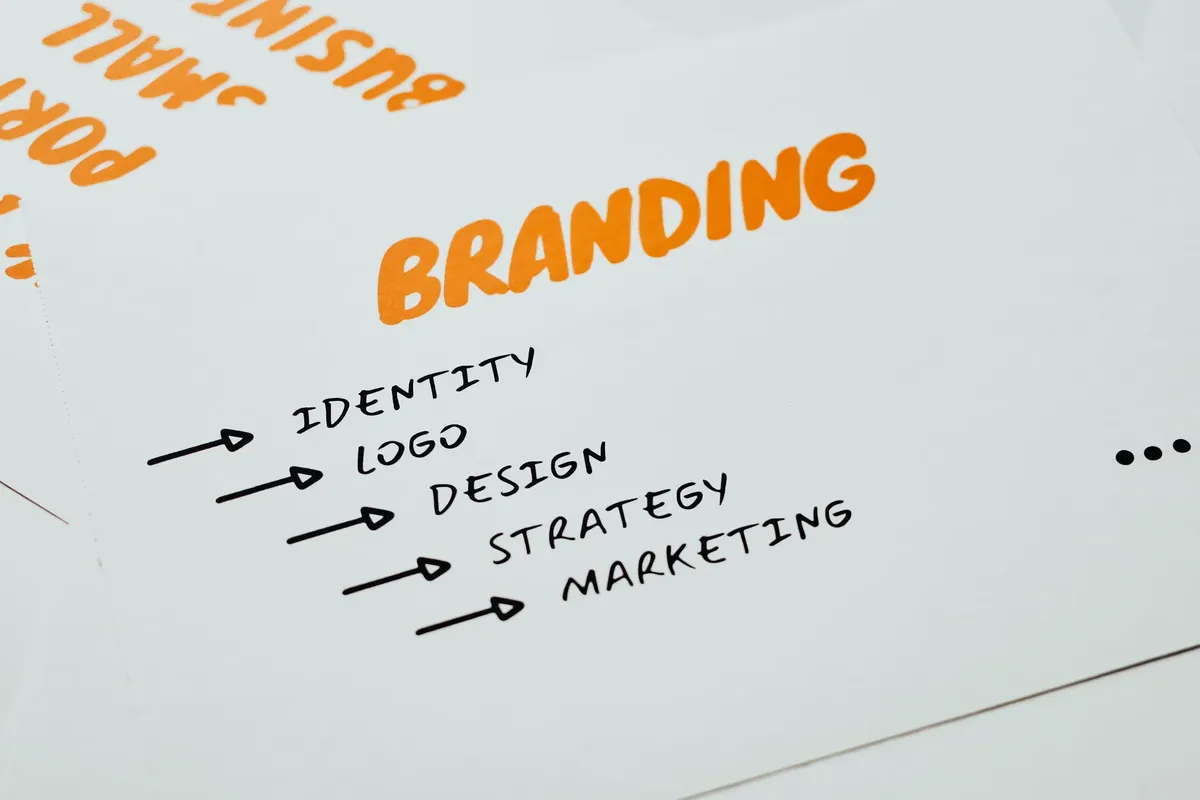
An administrator enters a digital database to ensure a new product is correctly categorized within a global system. High value branding tips involve using precise identification methods to ensure your brand is universally recognizable and organized.
According to Wikipedia, the Open Knowledge Foundation created the BSIN (Brand Standard Identification Number) in December 2013.
Using such structured identifiers helps maintain consistency across various digital and physical platforms.
In this sequence, the second step is the longest.
How to build brand value through standards?
A consultant reviews a spreadsheet of monetary values, comparing the perceived worth of a company against its physical assets. To understand how to build brand value, one must look toward formal evaluation frameworks and valuation requirements.
The Committee ISO/TC 289 has developed specific standards to guide this process. These include 'ISO 10668:2010' Brand valuation - Requirements for monetary brand valuation and 'ISO 20671:2021' Brand evaluation - Principles and fundamentals.
Following these principles ensures that your brand's worth is assessed through professional and standardized metrics.
How should my brand adapt to changing consumers? A shop owner watches a customer walk out of a store, wondering if the shopper will return or try a competitor's website instead. Making strategic brand decisions now requires acknowledging that consumer habits are highly fluid.

During the COVID-19 pandemic, 75% of US customers tried different stores, websites or brands, and 60% of those expect to integrate new brands or stores into their post-pandemic lives.
This volatility means your early content must be flexible enough to capture attention in a crowded, changing marketplace.
Can a new brand content guide manage evaluation?
A researcher reads through the latest technical guidelines, noting the emergence of new protocols for geographical indications. A new brand content guide should account for the fact that brand evaluation is an evolving field of study.
The Committee ISO/TC 289 is currently developing two additional standards. These include ISO/AWI 23353 Brand evaluation - Guidelines for brands relating to geographical indications and ISO/AWI 24051 Brand evaluation - Guide for the annual brand evaluation.
Staying aware of these developments helps a brand stay compliant with emerging global expectations.
How to implement a brand launch content guide?
A marketing manager organizes a series of digital posts on a large monitor, checking the alignment of every image and caption. To implement a brand launch content guide effectively, follow these steps to ensure your identity is cohesive and measurable.

- Define your core identity by moving beyond "attitude branding" to ensure you are building real value. 2. Align your messaging with the three categories of outcomes: loyalty, purchase intention, and word-of-mouth. 3. Use standardized identification methods to ensure your brand is correctly assigned to your products.
I compared my initial content drafts against these structured categories to see if they actually drove purchase intentions. After checking the alignment of my social media posts with the ISO principles of evaluation, I felt more confident in the brand's direction.
One limitation is that these standards primarily address valuation and evaluation rather than the initial creative execution of content.
This part also covers Customer focused content plan.
Related
- How can a brand content value strategy build loyalty?
- AI structured writing 5 steps tips avoid attitude branding
Should you prioritize attitude branding?
You should avoid prioritizing attitude branding if you want to move beyond a mere "fetish strategy" described in the book No Logo. Instead, focus on measurable outcomes like purchase intentions and word-of-mouth to establish long-term loyalty.
Comparing simple superficiality against structured recognition helps entrepreneurs navigate shifting consumer behaviors.
When implementing a brand launch content guide, compare your initial creative drafts against the three categories of brand outcomes. This comparison ensures that your materials target specific psychological and economic responses rather than just surface-level identity.
If your content does not align with loyalty, purchase intention, or word-of-mouth, you may fail to build a framework for long-term growth.
Caution is necessary when using current standards, as they often focus on valuation and evaluation instead of the creative generation of initial content.
While the Committee ISO/TC 289 provides professional metrics, these protocols do not replace the need for flexible content that can capture attention in a volatile marketplace.






Comments 0