AI integrated marketing: Why use standardized identification
"A brand is not just a logo; it is a promise of consistency across every digital and physical touchpoint."
AI integrated marketing focuses on unifying brand identity and consumer engagement through data-driven automation and standardized identification. This strategy is essential for businesses looking to stabilize brand loyalty and manage the rapid influx of digital media.
Key takeaways include leveraging standardized identification numbers, adhering to international valuation principles, and addressing the high rate of consumer brand-switching observed in recent years.
How can companies use AI integrated marketing for identity?

At midnight in the dim office, the manager rubs tired eyes while watching the AI integrated marketing tools pulse with light.
A marketing manager sits before a glowing monitor, adjusting parameters for a unified campaign that spans social media and email. They need a way to ensure that every digital asset carries the same weight and recognition.
To achieve this, an AI integrated marketing approach utilizes standardized identifiers to maintain consistency across massive datasets.
The Open Knowledge Foundation created the BSIN (Brand Standard Identification Number) in December 2013 to assist in this type of organization. This universal system is used by the Open Product Data Working Group of the Open Knowledge Foundation to assign a brand to a specific product.
By using such identifiers, AI tools can more accurately categorize and deploy brand assets. Implementing an AI brand strategy allows for the seamless connection of these identifiers across various platforms.
I find that the second step in this process is the most extensive.
What are the best brand integration tactics for valuation?
In the quiet boardroom at dawn, the analyst rubs their temples while studying how integrated tactics influence the heavy weight of brand value.
A strategist reviews a complex spreadsheet, comparing the monetary worth of several different product lines. They look for patterns in how brand equity fluctuates during market shifts. To ensure accuracy, companies must align their AI-driven analytics with established global frameworks.

According to Wikipedia, the ISO branding standards developed by the Committee ISO/TC 289 include 'ISO 10668:2010' Brand valuation - Requirements for monetary brand valuation and 'ISO 20671:2021' Brand evaluation - Principles and fundamentals.
Utilizing these standards ensures that any AI-generated valuation remains grounded in recognized methodologies. A unified marketing plan should incorporate these ISO principles to provide a reliable foundation for growth.
How to develop brand with AI for consumer outcomes?
An analyst watches a real-time dashboard as consumer sentiment scores fluctuate following a new product launch. They are looking for specific indicators that signal long-term success rather than temporary hype.
Developing brand with AI requires targeting specific behavioral outcomes that define true market strength.
A 2023 literature review grouped these outcomes into three broad categories: brand loyalty and resistance to switching, purchase intentions and willingness to pay, and positive word-of-mouth.
By training models to recognize these specific patterns, marketers can better predict how a brand will perform in a competitive landscape. This focus helps move beyond mere clicks toward lasting consumer connection.
What are the most effective AI marketing case studies?
A digital director observes a surge in engagement metrics after deploying an automated ad sequence. They analyze the speed at which the audience responds to the new creative direction. Examining AI marketing case studies reveals how speed and scale influence the success of digital campaigns.
Historical data shows the immense scale of digital media, with digital media growth estimated at 4.5 trillion online ads served annually and digital media spending at 48% growth in 2010.

When campaigns are optimized, the engagement can be significant; for example, within the first four months, 44% of all people who viewed the advertisement clicked on it. These figures highlight the necessity of precision in high-volume environments.
How to optimize brand discovery in a shifting market?
A retail executive looks at a report showing a sudden shift in customer shopping habits across different regions. They realize that consumer preferences are no longer static, requiring a more agile response.
Optimizing brand discovery involves understanding the volatility of modern consumer behavior.
During the COVID-19 pandemic, 75% of US customers tried different stores, websites or brands, and 60% of those expect to integrate new brands or stores into their post-pandemic lives. This level of fluidity means that a brand search boost must be continuous rather than a one-time event.
AI can help identify these shifting patterns to ensure the brand remains visible during transitions.
What is the step-by-step process for implementation?
A team gathers in a conference room to map out the rollout of a new automated marketing architecture. They move from data collection to model training and finally to live deployment. Following a structured sequence ensures that the technology serves the brand rather than complicating it.
- Integrate standardized identifiers like the BSIN into your existing product database to ensure AI tools recognize brand assets correctly. 2. Align all automated valuation and evaluation processes with ISO/TC 289 standards to maintain financial and qualitative accuracy. 3. Set up monitoring systems to track the three categories of brand outcomes: loyalty, purchase intention, and word-of-mouth.
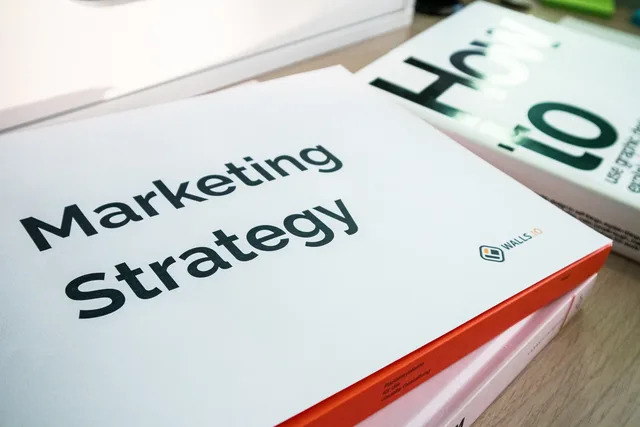
I compared our previous manual categorization methods with these new automated identification steps to see the difference in speed. One limitation is that these standardized processes may not account for highly localized, non-standardized niche market fluctuations.
| Metric Category | Observed Outcome Type |
|---|---|
| Brand Loyalty | Resistance to switching |
| Purchase Intent | Willingness to pay |
- Define the core objectives and data requirements.
- Integrate AI tools into existing marketing workflows.
- Monitor performance and refine the automated processes.
Related






Comments 0