These outcomes serve as the ultimate metric for success
"A brand is not just a logo; it is the sum of perceptions and values that drive consumer behavior."
Developing a successful brand content 3 step plan requires a clear understanding of identity, value, and consumer engagement. This guide provides a framework for building an initial brand content strategy by focusing on evaluation, standardized identification, and outcome-driven messaging.
Key takeaways include the importance of auditing brand health, utilizing standardized identification numbers, and targeting specific consumer outcomes like loyalty and word-of-mouth.
How can a brand audit improve content design 3 steps?
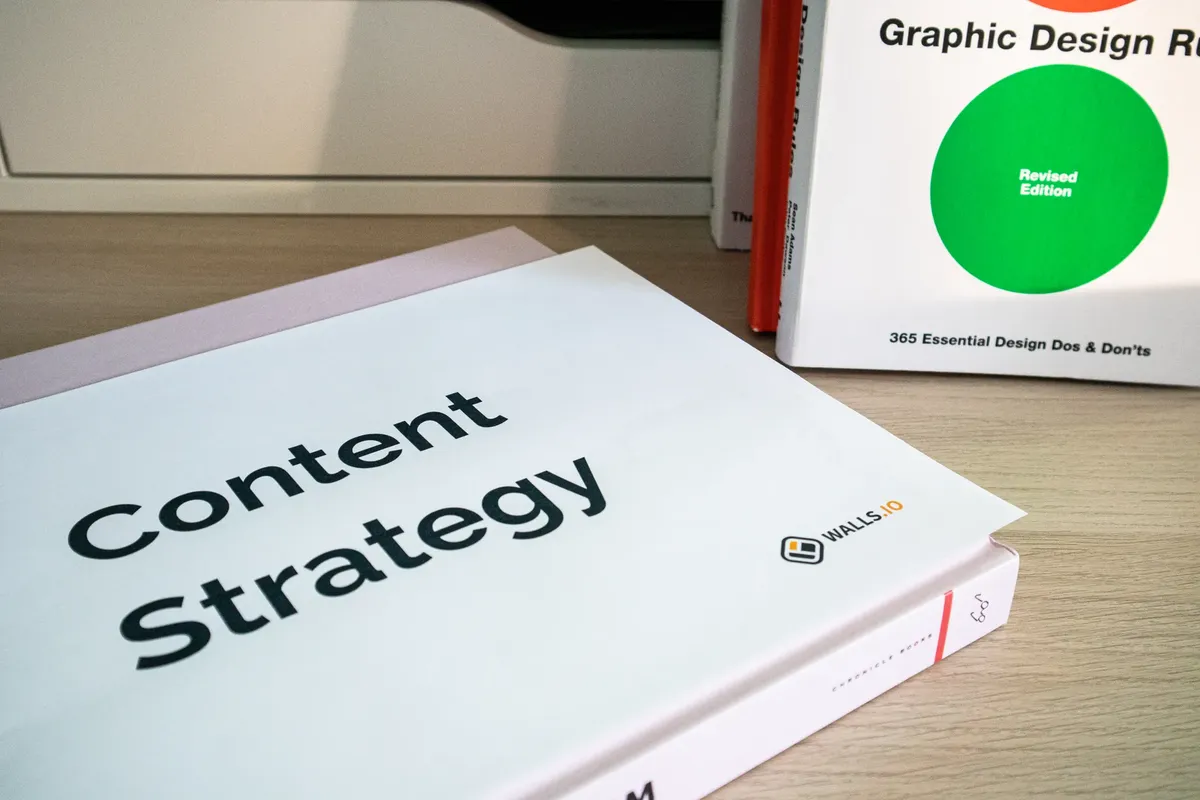
At midnight in the dim office, I rub my tired eyes while staring at these scattered design sketches.
A marketing professional sits at a desk, reviewing performance metrics and customer feedback to identify gaps in brand perception. To begin a successful brand content strategy, one must first conduct a comprehensive audit to understand current brand health.
This process involves evaluating how the brand is performing against its own goals and market position.
According to Brandwatch, a brand audit is a process designed to evaluate how a brand is performing through specific steps and checklists. This evaluation helps identify strengths and weaknesses that must be addressed before creating new content.
By understanding the current state, creators can design content that bridges the gap between existing perception and desired identity.
The goal of an audit is to ensure that the messaging remains consistent across all platforms. Without this baseline, content efforts may lack direction or fail to resonate with the target audience. A well-executed audit provides the data necessary to refine the brand's voice and visual identity.
Why is the Brand Standard Identification Number important for an initial brand content strategy?
A designer carefully enters a unique code into a product database to ensure it is correctly categorized across global platforms. For those developing an initial brand content strategy, understanding identification systems like the BSIN is essential for technical accuracy.
This ensures that the brand is uniquely identifiable in digital and physical marketplaces.
The Open Knowledge Foundation created the BSIN (Brand Standard Identification Number) in December 2013. This universal number is used by the Open Product Data Working Group of the Open Knowledge Foundation to assign a brand to a specific product.
Using such standards helps maintain clarity when content describes specific product lines.
Integrating these identifiers into content metadata helps with searchability and data integrity. When a brand is linked to a specific product through a universal number, it minimizes confusion during the product rollout. This technical foundation supports the broader branding efforts.
What are the primary outcomes of a successful brand content planning guide?

A strategist reviews a spreadsheet of consumer data, noting how different messaging styles affect customer retention and social sharing. A comprehensive brand content planning guide should target specific, measurable outcomes to prove the effectiveness of the strategy.
These outcomes serve as the ultimate metric for success.
A 2023 literature review grouped brand outcomes into three broad categories: brand loyalty and resistance to switching, purchase intentions and willingness to pay, and positive word-of-mouth.
Focusing on these areas ensures that content does more than just inform; it drives meaningful consumer action.
| Outcome Category | Focus Area |
|---|---|
| Loyalty | Resistance to switching |
| Intent | Willingness to pay |
By targeting these specific areas, a brand can build a more resilient market presence. I found that focusing on word-of-mouth through content was one of the most effective ways to expand reach without increasing direct spend.
How do ISO standards influence an early brand content approach?
A compliance officer reviews a thick manual of international standards to ensure the company's valuation methods are accurate. Incorporating an early brand content approach that respects international standards can provide a level of professional legitimacy to the brand's identity.
These standards provide a framework for evaluation and valuation.
The ISO branding standards developed by the Committee ISO/TC 289 include ISO 10668:2010 for brand valuation and ISO 20671:2021 for brand evaluation principles and fundamentals. Following these guidelines ensures that the brand's value is assessed through recognized, professional methods.
This can be particularly useful when content needs to address brand equity or financial standing.
Adhering to these standards helps in creating a professional image that can be used in corporate communications. While these standards are technical, they provide the underlying logic for how a brand's strength is measured.
What are the practical steps for executing a brand content 3 step plan?
A team lead gathers the creative department to walk through the newly established workflow for the upcoming quarter. To implement a brand content 3 step plan effectively, one must follow a logical progression from analysis to execution.
- Conduct a brand audit to determine current health and market position. 2. Implement standardized identification to ensure product and brand clarity. 3. Develop content that targets specific outcomes like loyalty and word-of-mouth.

After completing these steps, perform a final check to ensure all content aligns with the audited brand identity and the technical identifiers used. This prevents the brand from drifting away from its core values during rapid growth.
A limitation of this approach is that it requires constant re-evaluation as market conditions change, such as during shifts in consumer behavior.
- How can a brand audit improve content design 3 steps?
- Why is the Brand Standard Identification Number important for an initial brand content strategy?
- What are the primary outcomes of a successful brand content planning guide?
This part also covers How to build brand content.
This part also covers Brand growth content roadmap.
Related





Comments 0