Why TC 289 avoid early brand content mistakes for loyalty
"The way we communicate a brand's identity in its infancy determines whether it builds lasting loyalty or vanishes into the noise of a crowded marketplace."
To avoid early brand content mistakes, creators must focus on building genuine loyalty rather than chasing fleeting trends or superficial identities.
This guide covers how to navigate initial content pitfalls by understanding consumer behavior, standardizing identity, and preparing for shifting market loyalty. Key takeaways include managing brand loyalty, understanding valuation standards, and recognizing changing customer habits.
How can we avoid early brand content mistakes?

A designer sits at a wooden desk, staring at a blank screen while trying to define a visual language. Avoiding early brand content mistakes requires a focus on substance over mere aesthetic trends that lack depth.
A 2023 literature review grouped outcomes into three broad categories: brand loyalty and resistance to switching, purchase intentions and willingness to pay, and positive word-of-mouth. This suggests that content should aim for these specific outcomes to be effective.
Instead of chasing superficiality, creators should build strategies that drive these measurable results.
Early brand content mistakes often stem from ignoring the long-term goal of building a stable identity. New brand content errors occur when a company prioritizes immediate visibility over the fundamental principles of brand evaluation.
By focusing on the categories mentioned in the literature review, a brand can build a foundation that encourages resistance to switching.
- Define a clear brand voice before production begins.
- Establish a centralized content repository to ensure consistency.
- Review all initial assets against a predefined style guide.
What are the risks of initial content pitfalls?
In the dim light of the office, the founder rubs their tired eyes while they struggle to avoid the hollow emptiness of a failing strategy.
An entrepreneur reviews a marketing budget, wondering why engagement remains low despite high spending. Navigating initial content pitfalls involves recognizing when a strategy lacks a cohesive core.
In the 1999 book No Logo, Naomi Klein describes attitude branding as a "fetish strategy." This perspective warns against creating content that relies solely on emotional manipulation without a solid product foundation. If a brand relies only on "attitude," it may fail to establish real value.
Startup content blunders often happen when a brand tries to manufacture a personality before establishing a reliable product identity. If the content is purely about an image, it may lack the substance needed to sustain interest.
A well-rounded strategy balances emotional connection with clear value propositions to avoid these traps.
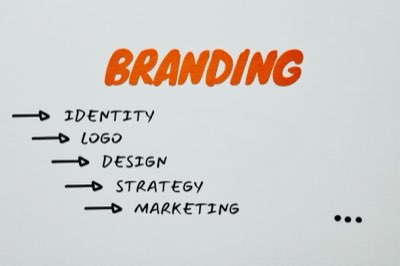
In this sequence, the second step is the most critical.
How to manage brand launch content traps through standards?

At the cluttered desk, the manager grips a heavy manual to avoid the chaos of inconsistent design.
A manager organizes a filing cabinet containing various certification documents and brand guidelines. Avoiding brand launch content traps can be achieved by adhering to established evaluation and identification frameworks.
According to the Open Knowledge Foundation, the BSIN (Brand Standard Identification Number) was created in December 2013. This universal identifier is used by the Open Product Data Working Group of the Open Knowledge Foundation to assign a brand to a product.
Using such standardized identifiers can help maintain clarity in product-related content.
The ISO branding standards developed by the Committee ISO/TC 289 include 'ISO 10668:2010' for monetary brand valuation and 'ISO 20671:2021' for brand evaluation principles and fundamentals. Following these standards ensures that the content reflects a professional and measurable brand value.
Integrating these principles helps prevent the confusion that often arises during a brand launch.
How to address changing consumer habits in content?
A customer scrolls through a smartphone, quickly dismissing advertisements that do not meet their immediate needs. Addressing how to fix early content fails requires understanding that consumer loyalty is often fluid.
During the COVID-19 pandemic, 75% of US customers tried different stores, websites or brands, and 60% of those expect to integrate new brands or stores into their post-pandemic lives.
This volatility means that content must be engaging enough to capture interest in a highly competitive and shifting environment.
To avoid brand content traps, businesses must recognize that the modern consumer is prone to experimentation. If a brand's content does not provide a reason to stay, customers will continue to explore alternatives.
Building a strategy that accounts for this level of mobility is essential for long-term survival.
How to implement a standard-based content strategy?
A team lead reviews a checklist of brand guidelines during a morning meeting. Implementing a stable identity involves following a clear, structured process.

- Define the fundamental principles of the brand based on evaluation standards like ISO 20671:2021. 2. Integrate unique identifiers, such as the BSIN, to ensure clear product assignment. 3. Create content that targets specific outcomes like purchase intentions and positive word-of-mouth.
I once reviewed a brand strategy that lacked these specific pillars, and it struggled to maintain any consistency. A final check ensures that every piece of content aligns with the core identity and the intended consumer outcomes.
| :--- | :--- | | Brand Valuation | ISO 10668:2010 | | Brand Evaluation | ISO 20671:2021 |
The limitation of these strategies is that they require significant research and do not account for every unique market niche.
This part also covers best first content strategy tips.
how to fix early content fails
Related





Comments 0