Customer focused rebranding success: 75% customer shift
"The impact of branding is often like an iceberg, where 80% of the weight remains hidden beneath the surface."
Successful customer focused rebranding success requires understanding shifting consumer behaviors and aligning new identities with established value.
To achieve this, businesses must navigate changing loyalty patterns, implement standardized evaluation frameworks, and prepare for permanent shifts in consumer habits. This guide covers loyalty management, technical standards, and consumer behavior trends to ensure a smooth transition.
How do shifting consumer habits impact a brand refresh customer focus?

A retail manager stares at a spreadsheet showing a sudden shift in weekend foot traffic. During the COVID-19 pandemic, 75% of US customers tried different stores, websites, or brands, and 60% of those expect to integrate new brands or stores into their post-pandemic lives.
This volatility means a brand refresh customer focus must account for the fact that many customers are no longer tethered to their old habits. When consumers experiment with new options, they often find permanent replacements that fit their changing lifestyles.
A successful transition requires capturing these new users while preventing current ones from wandering.
A marketing strategist reviews the data from a recent literature review. A 2023 literature review grouped these outcomes into three broad categories: brand loyalty and resistance to switching, purchase intentions and willingness to pay, and positive word-of-mouth.
Understanding these categories allows a company to measure the effectiveness of its changes. For instance, if a rebranding effort increases purchase intentions but fails to build resistance to switching, the new identity might be too superficial.
A successful brand change guide should focus on building deep-seated loyalty that survives market fluctuations.
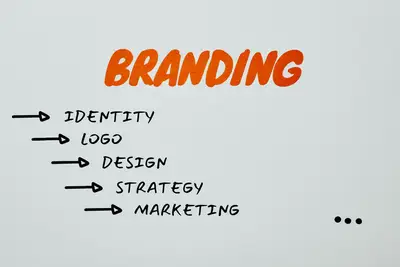
In this sequence, the first step is the most critical.
What technical standards guide a customer centric brand update?
An auditor examines a set of documents labeled with international standard codes. The ISO branding standards developed by the Committee ISO/TC 289 include 'ISO 10668:2010' for brand valuation requirements and 'ISO 20671:2021' for brand evaluation principles and fundamentals.
Using these frameworks ensures that a customer centric brand update is grounded in measurable, professional criteria. These standards provide a baseline for assessing how a brand's value is perceived and quantified.

Following established protocols helps a business maintain consistency during a period of identity shifts.
A technician checks a database for unique identification codes. The Open Knowledge Foundation created in December 2013 the BSIN (Brand Standard Identification Number), which is universal and used by the Open Product Data Working Group of the Open Knowledge Foundation to assign a brand to a product.
Reliable identification is crucial when managing a large portfolio of products during a transition. Using universal identifiers like BSIN can help maintain data integrity across different platforms.
This technical precision supports the larger goal of maintaining brand clarity during a reorganization.
How can a company manage a successful brand change guide?
A CEO sits in a quiet boardroom, reviewing the company's new mission statement. To navigate a complete rebranding, companies should follow these three steps:
- Evaluate current brand equity using established metrics like ISO 10668:2010 to understand existing monetary value. 2. Analyze consumer behavior data to predict how the new identity will impact purchase intentions and word-of-mouth. 3. Implement the new identity across all touchpoints, ensuring the transition aligns with the expectations of the 60% of customers who may integrate new brands into their lives.
A final check involves verifying that the new identity does not alienate the core customer base while remaining attractive to new segments. I once watched a company attempt a sudden name change without updating its core values, only to see its loyalty plummet.
- Conduct a comprehensive audit of current brand perception.
- Align new visual and verbal identities with core values.
- Roll out the updated brand across all touchpoints.
What are the limitations of rebranding strategies?

A designer adjusts the color palette on a digital tablet, trying to find the right balance. A limitation of these strategies is that they cannot fully account for external economic shocks that may disrupt consumer behavior regardless of brand strength.
Customer focused rebranding success
The subject here is Customer focused rebranding success.
The same subject is also called Rebranding with customer view.
This part also covers How to make brand transition work.
This part also covers Improving brand through customer needs.
This part also covers Best brand strategy for change.
How to make brand transition work
Related
- Easy brand portfolio building: How to start brand portfolio
- Brand renewal tips: Why rebranding succeeds through shifts
How does the impact of branding relate to consumer experimentation?
Consumer experimentation, evident in the pandemic-related shift where 75% of US customers tried different stores or brands, demonstrates a decreased reliance on established brand connections.
This volatility suggests that the impact of branding is less about static recognition and more about dynamic relevance to evolving lifestyles. When consumers explore new options, they may establish permanent preferences that supersede prior brand allegiances.
A brand refresh must therefore anticipate this willingness to switch rather than merely defend existing market share.
This tendency toward exploration necessitates that a brand refresh customer focus actively engages with these newly discovered users. The goal shifts from retaining the old customer base to successfully onboarding the adventurous shopper.
The success of the branding effort hinges on whether the new identity provides a compelling reason for a customer to integrate the brand into their ongoing life patterns, mirroring the 60% expectation noted in the post-pandemic environment.
What cautions should guide brand implementation?
One caution is ensuring that the new identity does not inadvertently push away the existing customer base while attempting to attract new segments. The CEO's review of the mission statement must confirm this dual objective is met.
Furthermore, the limitations of rebranding strategies mean that even the most perfectly executed branding update cannot insulate a company from unforeseen external economic shocks.
These shocks can alter consumer behavior irrespective of the brand's inherent strength or the rigor of its technical standards.
The transition process itself requires careful management to prevent the superficiality mentioned in the literature review from undermining the entire branding effort.
If the change only boosts purchase intentions without fostering resistance to switching, the perceived impact of the branding change remains fragile. Therefore, the implementation must aim for deep-seated loyalty that can withstand market turbulence.
Wikipedia: Brand Based on the retained excerpt mentioning Open Knowledge Foundation: Open Knowledge Foundation created in December 2013 the BSIN (Brand Standard Identification Number).







Comments 0